Chris Jones is a researcher for Statewatch, where he has worked since 2010. His work examines policing, migration, military and security issues in the UK and EU.
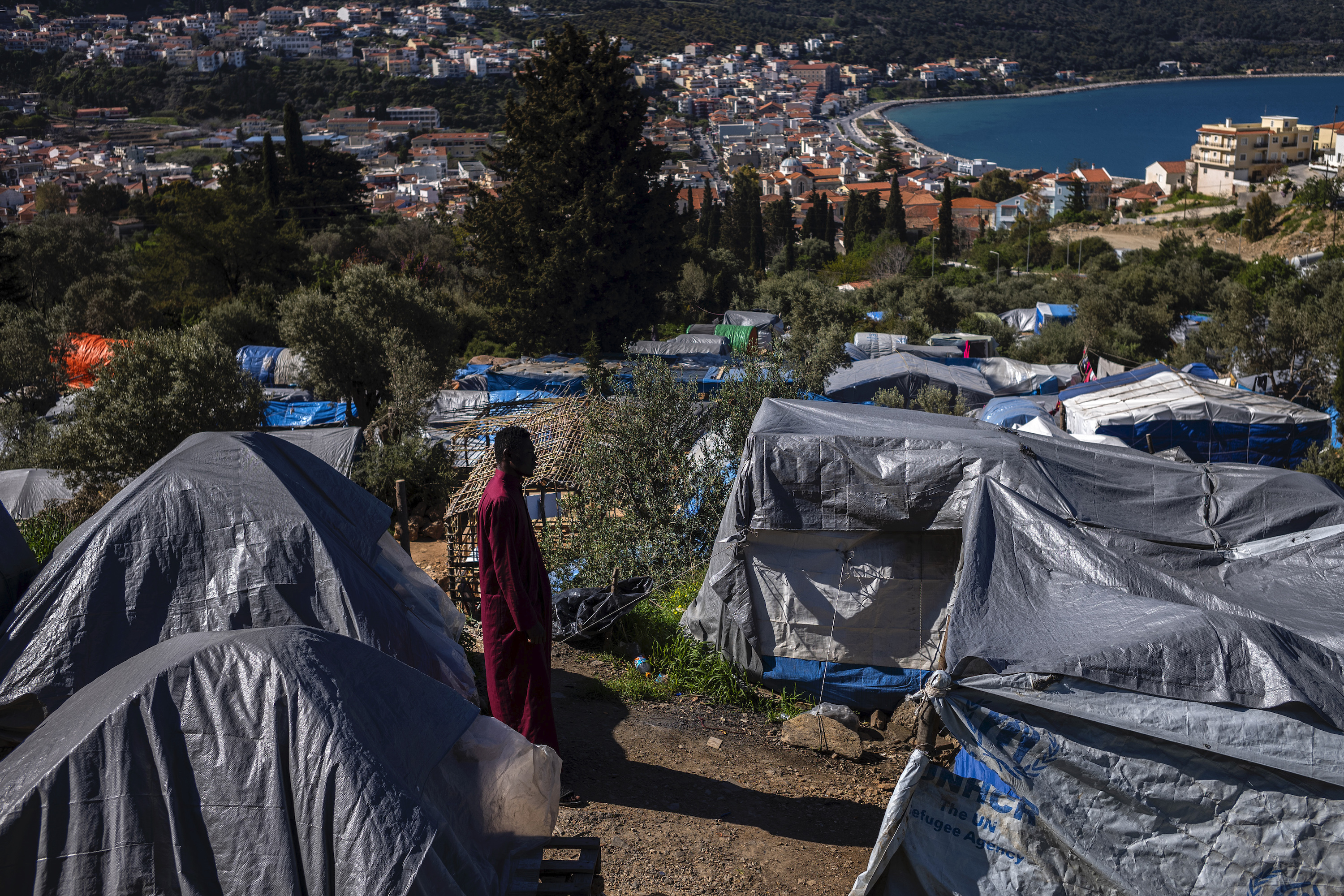
This is what I witness on this little Greek island that finds itself on the frontier of Europe. This tiny spot on the map has and continues to be a gateway into Europe for tens of thousands of refugees.
The reinforcement of pervasive, high-tech security measures has long been the primary consideration for EU security strategists, egged on by private interests. Time for a new direction before it is too late. New report
Both creating and ameliorating suffering for refugees are profitable businesses. Refugees are aware of this, and they looking for solidarity in an unsolidaristic world.
Refugees are entering a Europe that sees some of them as terrorists and Islamist extremists. The reality is that the vast number of refugees are victims of terrorism themselves.
With winter approaching, the journey that refugees face to reach Europe is becoming ever more dangerous. Why are they being denied safe passage and what can be done to help?
The issue of making refugees walk 20 or 25 kms in the blazing heat is just one example amongst many that demonstrates the casual cruelties which are routinely inflicted on the refugees who arrive on Samos.
A red line is crossed when you start thieving from refugees in order to survive or feed your addiction. ‘We can only survive as human beings through our solidarity.’ There is nothing else.
For many refugees, it is only the smugglers who can get them into and then out of Greece. All other legitimate and safe channels are cut off. For the smugglers, many of whom are poor, income from the refugees means that they can survive.
We cannot just sit back and wait for the government to act for us – any government. We believe that nothing will change unless the people as a whole are engaged, involved and united.
New predictive policing technologies seem to promise crime reduction. But predictive policing also threatens the extension of policing biases; risks to privacy emergent from the data gathering required; and neglect of alternative interventions tackling the root causes of crime. Are the trade offs