
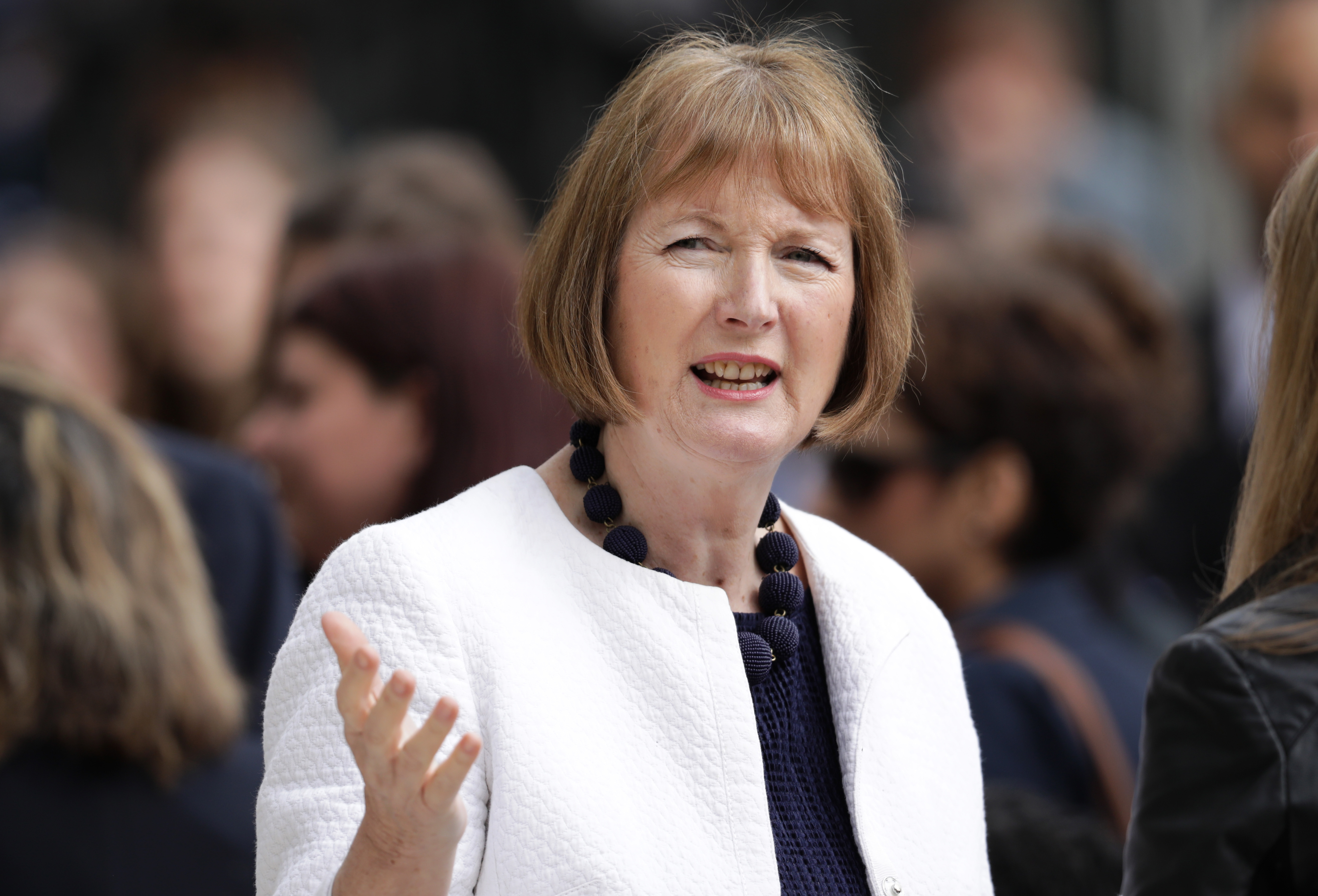
Former deputy Labour leader Harriet Harman has been elected as the new chair of Parliament’s Standards Committee, which oversees MPs' conduct. But is she fit to run it?
Parliament has a troubling record for corruption and bad behaviour. From the expenses scandal to recent revelations about sexual misconduct, it seems our MPs are constantly breaking the rules.
The real test is how it deals with this problem: enforcing strict rules is crucial. But MPs still police themselves and – unsurprisingly – the rules are weak and full of loopholes. The Standards Committee has consistently failed to resolve this.
Over the years, its members have included dozens of MPs with a poor track record.
For instance, the committee’s previous chair, Chris Bryant, was once accused of “flipping" his second home twice in two years, allowing him to claim thousands of pounds for renovations.
Another former chair, Kevin Barron, broke the rules by accepting money to host events for a drug company in Parliament.
In fact, when I gave evidence to the Standards Committee in 2016, half of the MPs sitting in front of me had been found to have breached the rules themselves at some point.
This week’s announcement that Harriet Harman would be its new chair may have also raised eyebrows for anyone who remembers her time in government under Tony Blair and Gordon Brown.
An MP since 1982, she has often battled through scandals and controversies – especially during her time as Labour’s deputy leader under Brown.
For instance, she accepted a £5,000 donation from a woman who turned out to have acted as a conduit for a property tycoon. Harman insisted she didn’t know the donor was a proxy, but questions were raised about whether she had broken Labour rules over due diligence. She was strongly rebuked by the Electoral Commission over the “serious matter” and Brown was forced to condemn the situation, saying it was “completely unacceptable” to take money from a middleman.
Later, as the expenses scandal loomed in 2009, Harman was accused of trying to “hide” MPs’ expenses – by setting out plans to effectively exempt them from Freedom of Information laws. Reports said she pushed for the change to be made after being lobbied by backbench MPs who wanted to prevent embarrassing disclosures.
The plans would have overridden a High Court order to release around 1.2 million receipts for expenses claims. Critics at the time described it as a “disgraceful” move, which would mean MPs were held to a lower level of scrutiny than other public officials.
Ultimately, the plans were dropped and the receipts were leaked to the Daily Telegraph. The subsequent scandal was enormous: public trust in politicians plummeted and a number of MPs were jailed.
Harman was also among the MPs who were forced to repay small amounts of money that had been claimed on expenses incorrectly. However, their names were not revealed until after the general election in 2010. Reports said her parliamentary private secretary, Ian Lavery, had blocked a motion to allow the deals to be made public.
In the wake of the scandal, an independent review suggested sweeping reforms of parliamentary standards, which the government initially promised to enforce in full. But Harman later announced that there was no guarantee any of the changes would be accepted, because the decision would be handed over to a new watchdog.
And she again took the side of MPs when suggestions were made that they should not employ their own spouses using public money. Harman argued that spouses worked harder than other people because they “lived the job”. But she added: “I think it is almost impossible to convince the public that actually there is fair employment opportunity… It is just too difficult to sustain public confidence.”
Of course, we will have to wait and see how Harman operates as chair of the Standards Committee. She has already said she will not seek reelection for Parliament next year, so her tenure will be relatively short. But if MPs want the public to take them seriously, perhaps next time they could pick someone with a better track record themselves?
Even better, they could vote to get rid of the Standards Committee altogether – and instead allow an independent body to set the rules. After all, in a modern democracy, it cannot be right that MPs should police themselves.
* A mistake in this article has been corrected. We accidentally wrote that John Baron MP was a former chair of the Standards Committee. In fact, it was Kevin Barron MP.


