
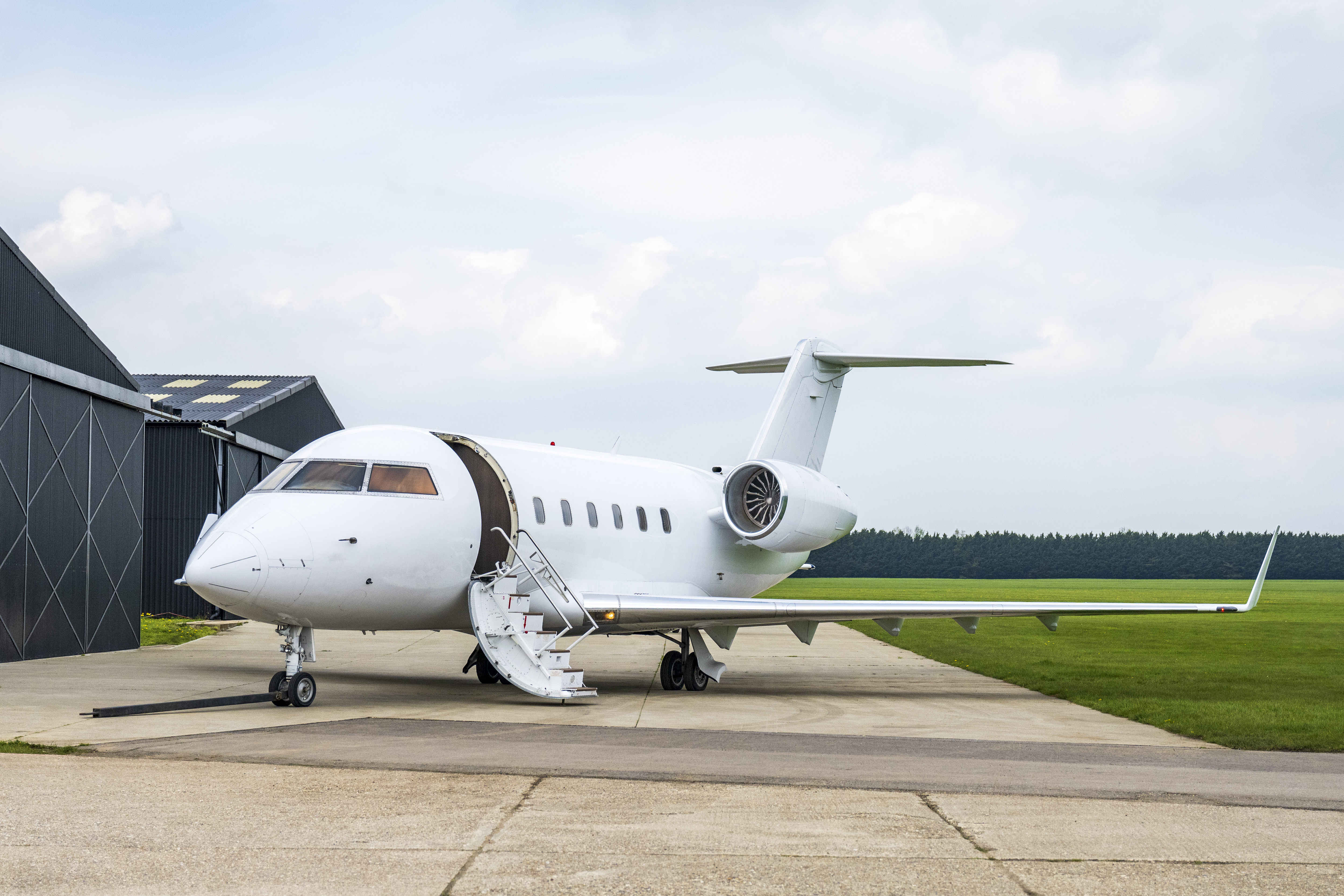
The UK private jet market has seen explosive post-pandemic growth, such that one in ten flights departing UK airports are now on private jets. A recent report by the organisation Possible, where I work, shows there were 90,256 private jet departures in the UK in 2022 – a shocking testament to the government’s failure to rein in the industry’s climate impacts.
If you are someone with enough capital to fly a private jet, you might not be thinking of the cost to the planet – but you should be, given the need to cut emissions in order to meet our 2050 climate targets.
Private jet flights produce 20 to 30 times the emissions of an ordinary flight per passenger and are a luxury very few people can afford. Yet the impact of these carbon-intensive short-haul flights seem to go over most people’s heads. That may be because private jet companies like to tout their environmentally-friendly initiatives to combat those emissions and do their part for the climate emergency.
These initiatives include alternatives to kerosene, such as sustainable aviation fuel (SAF), which are deemed to be less polluting, or their work to offset emissions by funding environmental feel-good schemes in the global south.
The problem is that SAF is not as sustainable as you’d think – SAF has to date not been used at scale or with enough frequency to curb any emissions and lessen the overall environmental impact, while carbon offsetting has been proven to be a greenwashing tactic that isn’t being done well enough to actually offset anything.
The PR machine employed by various private jet companies is eager to deflect from this truth, but I wanted to know if I could find out what really goes on behind the scenes of the aviation industry by pretending to be their target market.
As such, it was necessary to pose as an assistant to a super-rich, jet-setter client who also voiced a particular interest in the emissions from their potential charter jet.
What I did
I set about emailing around 89 private jet companies that have recently operated in the UK. I wanted a flight for my client from London to Paris – the heaviest-trafficked private jet route in Europe. The range of prices initially quoted ranged from £4,208 to £91,148 (a typical return flight on a commercial airline is £100 to £250).
In particular, I wanted to know about each company’s carbon offsetting initiatives and their forays into SAF as methods of curbing emissions.
These are the two questions we asked:
- Will your company start using electric planes at any point in the next five to ten years?
- What is your company’s current approach and future plans for addressing the emissions from the flights you sell?
In its response to the question on emissions, Avcon Jet said: “If the client chooses to offset 125% then this flight is totally carbon neutral.” Meanwhile, Acropolis Aviation uses the slogan “conscience cleared for take off” on its website. This all sounds great if you decide not to take a peek under the hood.

Discussing offsetting, Executive Jet Charter rightly told me “the emissions are unfortunately unable to be removed from the flight as this technology is yet to be discovered”. The spokesperson also included a ‘sad face’ emoji at the end of the sentence, which only partly made me believe they really cared about the future existence of human beings on this planet, before going on to pitch the company’s existing offsetting scheme.
Acropolis and Air Charter Scotland both use carbon offsetting giant South Pole, a company that was this year forced to deny allegations it had overestimated the benefits of its projects and claimed up to 30 times more carbon credits than it should have done.
Another company, PrivateFly, said: “Whereas most people offset 100% of their emissions (and bill you for it) we offset 300%. We don’t charge for this as all members have their carbon offset paid for by ourselves meaning you can fly guilt free.” No explanation was given for the 300% figure or what projects this supposed offsetting was going to.
For an industry with a collective need to have one voice around its carbon neutrality position, there was a surprising amount of disjointed, confused and contradictory information given.
At times, there was a candid recognition of the problem. Private jet company Saxon Air writes on its website: “It is clearly unwise for aviation to rely on future technologies to create a ‘just in time’ solution to the environmental problems created by the industry’s reliance on fossil fuels.”
The company Victor did provide me with a detailed response on the SAF it had purchased. Nevertheless, it was hard not to think it might have misunderstood the term “sustainable” when it became evident the fuel it proposed using is produced from “100% animal fat”, which would apparently reduce emissions by 74.72% compared to regular jet fuel.
The UK Department for Transport’s (DfT) own assumption is that on average SAF can provide a 70% reduction compared to fossil kerosene, a figure that has been criticised as over-optimistic and which does not take into account the impact of non-CO2 emissions from SAF. The DfT acknowledges that SAF may not reach 70% reductions and the criteria of its SAF mandate states it must only meet 40% reduction compared to fossil kerosene.
But at least Victor had SAF. Other private jet operators responded with conflicting statements on whether SAF was available at UK airports and, if so, how many were using it. Air Partner told us that Farnborough was the only UK airport where SAF was available, E-Aviation told us it was available at six UK airports, and JetApp pointedly said: “To clarify and be transparent on this topic of sustainability, there is no available SAF at that moment due to a lack of infrastructure. This applies for every airline and plane.”

It’s hard to know the truth around the availability of SAF because there is no independent assessment of it. But the fact that confusion reigns is less than reassuring when the government's own Jet Zero strategy rests on the huge assumption that SAF infrastructure will be developed quickly and at scale – its goal is to have 10% SAF use by 2030. In a recent report, the Climate Change Committee found uptake of SAF was “low at 0.22% of total aviation turbine fuel supply” and said the Jet Zero strategy goal was unrealistic, estimating only 2% of flights will use SAF by 2030.
As such, it’s clear that emissions from private jets will only continue to increase because more and more flights are taking off each year and the solutions they propose to reduce those emissions are not working – or not at the pace required, anyway. What needs to happen is heavy regulation of the industry – a high tax on kerosene now and a ban on private jet flights in the near future.
Scandalously, the government isn’t doing this. Its Jet Zero strategy relies heavily on greenhouse gas removals to balance the books. This concept would allow airlines and airports to continue polluting for decades, putting off real action to cut emissions now and kicking the problem further into the future.
For the wider industry, we need a similar tax on fuel, but also a frequent flyer levy to manage demand and ensure the super-rich are the ones paying the price, not people going for their annual holiday.
These policy changes won’t happen overnight, and nor will they be easy or palatable to implement. But it is the only way to cut aviation emissions drastically enough to meet our climate targets and tackle the climate emergency head on.


