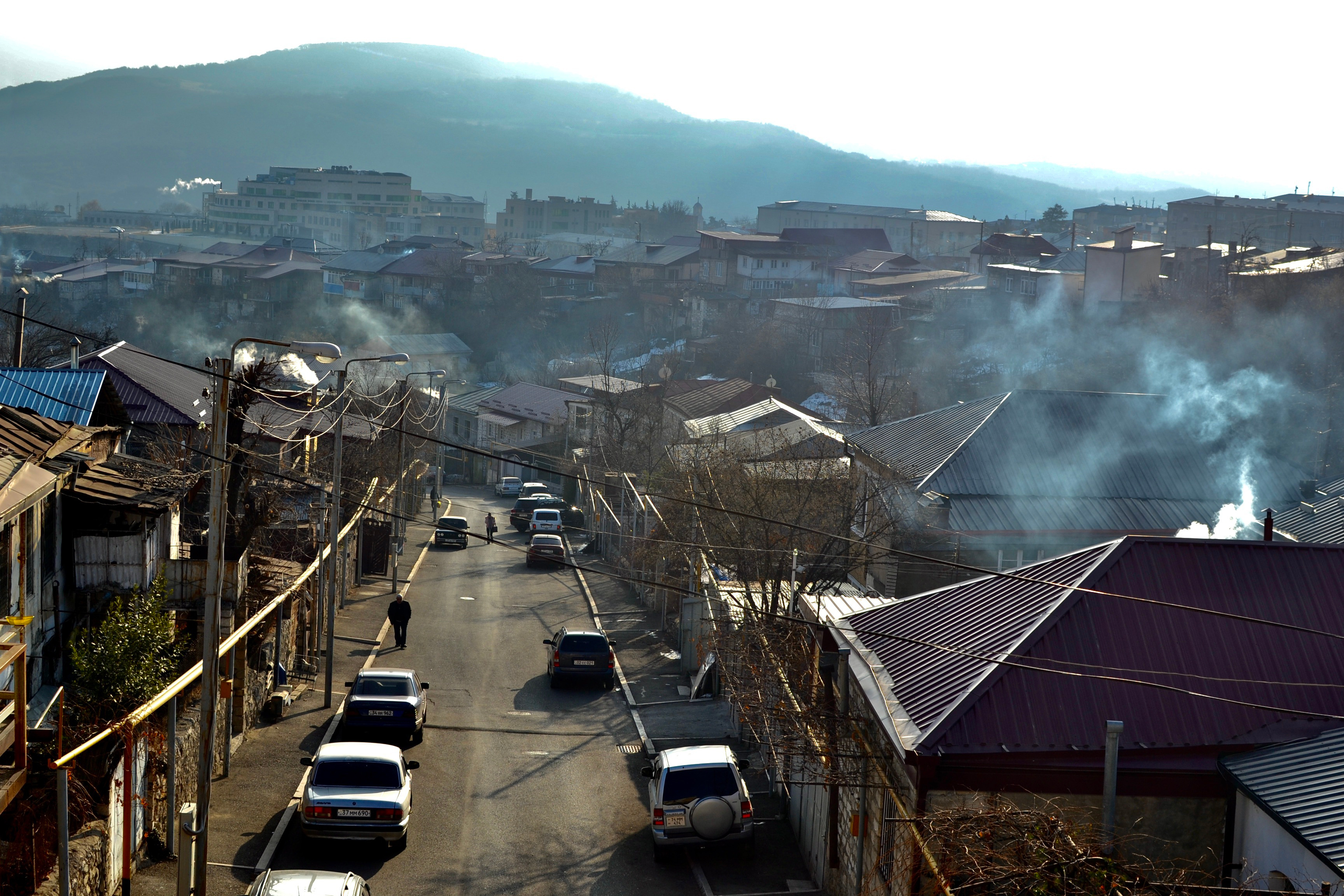
Поддерживая гуманитарную блокаду Нагорного Карабаха, правительство Азербайджана пытается принудить карабахских армян принять азербайджанское гражданство. В регионе начался гуманитарный кризис – но жители Нагорного Карабаха не хотят принимать условия, поставленные им в Баку. Для этого у них есть ве
For the Armenian diaspora, today is Armenian Genocide Remembrance Day—but not in Turkey. Perhaps members of the country’s Kurdish minority can help shake up a polarised narrative.
Just like the skeletons that were discovered in Diyarbakır in 2012 nearly 100 years after they were buried, Turkey’s past is haunting its future and demanding that we remember the tragic events of the Armenian Genocide.
Cyprus was one of the first countries to recognise the Armenian genocide, but the relationship that the country has with its own Armenian population is more complicated than it seems.
In Bulgaria, Armenian communities have thrived since the fifth century and found refuge there during Ottoman massacres. So why has Bulgaria yet to officially recognise the Armenian genocide?
His new film The Cut directly confronts the Armenian genocide. We talk to acclaimed Turkish-German filmmaker Fatih Akin about genocide commemorations, the Turkish-German community, and what Turkey's notorious Article 301 is doing to debate.
April 1915 saw the start of the genocide against Armenians and other minorities in the former Ottoman Empire. Erdoğan hopes he can ignore the anniversary and it will go away—while Armenian politics is stuck in victim mode.
Why should we return to the now 100-year-old genocide of the Ottoman Armenian population? The study and acknowledgement of this genocide, and what it symbolises, is critical to the practice of an emancipatory politics today.