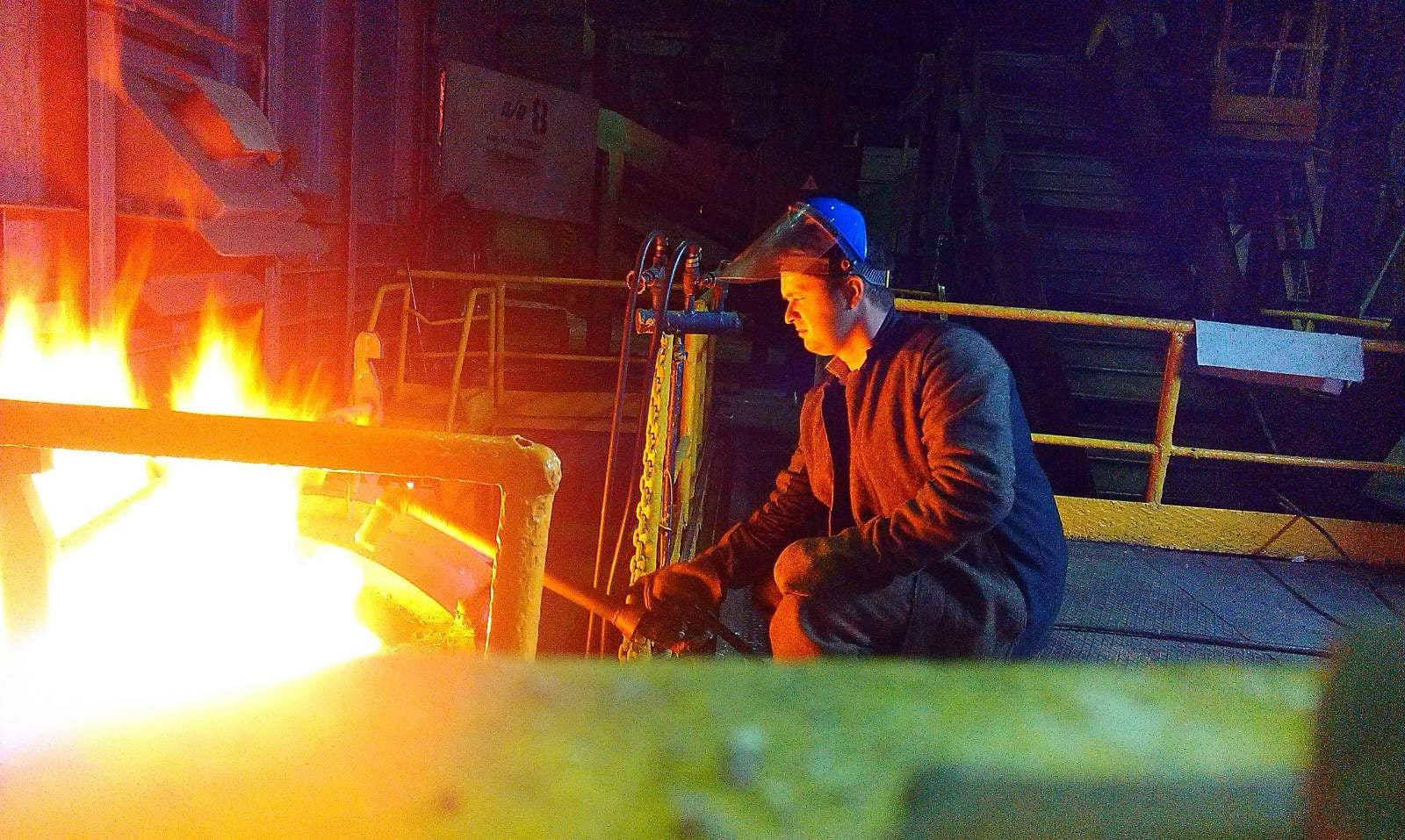
In late March, two COVID-19 cases were discovered at the large AvtoVaz factory in the Russian city of Tolyatti. The next month, by order of the directors, around 30,000 people still turned up for work. How did the workers at this car factory respond?
Russia’s healthcare system was already working at full capacity before coronavirus. We spoke to one of the people organising Russian healthcare workers on workloads, optimisation and wages.
As part of its "turbo reforms", Ukraine's new government sought to write the concept of competition into workplace protections and exclude trade unions from the process. They have since withdrawn their reform, but the guiding principles behind it may return all too soon.
With high rates of workplace accidents, deaths and informal employment, Ukraine’s construction industry is increasingly the focus of trade union activity. I spoke to the head of construction workers union to find out more.
Amid a wider political crisis in Georgia, new fees on qualifying exams have brought medical students in Tbilisi out to protest. But these fees are just the tip of the iceberg when it comes to systemic alienation and disappointment.
Recent signs of mobilisation by precarious workers in Ukraine have refocused public attention on labour rights. But with prevailing public conditions opposing worker mobilisation, how far will this movement go?