

openDemocracy’s reporters made two trips to Ukraine this year: I travelled to Lviv, Kyiv and Odessa in the spring around the time of the Ukrainian and Russian delegations met face-to-face in Istanbul, the first such meeting between the two sides since the simmering conflict ignited into full-blown war in 2022.
The tragedy of war, as I’ve learnt from years of conflict reporting, is it takes almost everything we hold sacred and renders it profane. “For me, as a writer, it is crucial to be able to feel things,” a Ukrainian writer turned soldier told me, before adding, “Right now, the blunt reality of things is that I am killing Russians. And I’m trying to get better at it.”
This week’s edition opens with a reported essay in which I speak with Ukrainian writers, philosophers, poets, anarchists and soldiers to understand how the war has shaped how they think. In writing this essay, I was deeply influenced by the work of Slovenian philosopher Renata Salecl; and so it is she that I turned to when we sought a guest for this week’s podcast.
My colleague Sian Norris was in Lviv, Kyiv and Kharkiv earlier this month, accompanying a humanitarian convoy of workers as they delivered aid to their comrades in the Ukrainian labour movement. Her richly detailed dispatches offer glimpses of how a wide cross section of Ukrainians – children, coal miners, former athletes, the LGBTQ+ community — are doing everything they can to hold together what remains of their country.
What does war do to the aggressor? When the fighting is far away, and the dead and injured banished from the national consciousness? Also in this edition, is a fascinating account of what the managers, IT workers, business owners, engineers, and creative workers think of a war that has both cut them off from the rest of the world, but also enriched them economically.
As always, we appreciate disagreement almost as much as we enjoy validation, so send us your thoughts and comments, and forward this newsletter to someone you think will enjoy it.
 |
Aman Sethi |
 James Battershill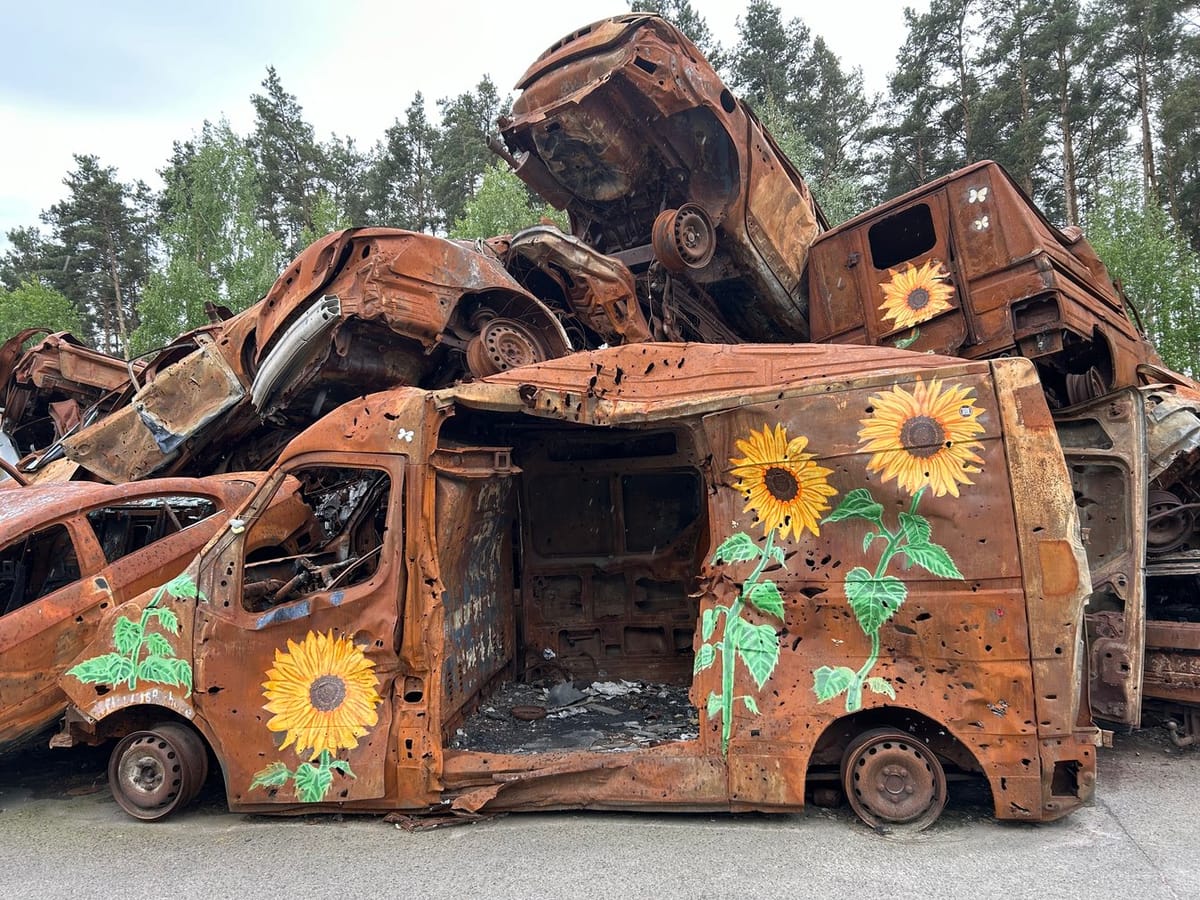
 James Battershill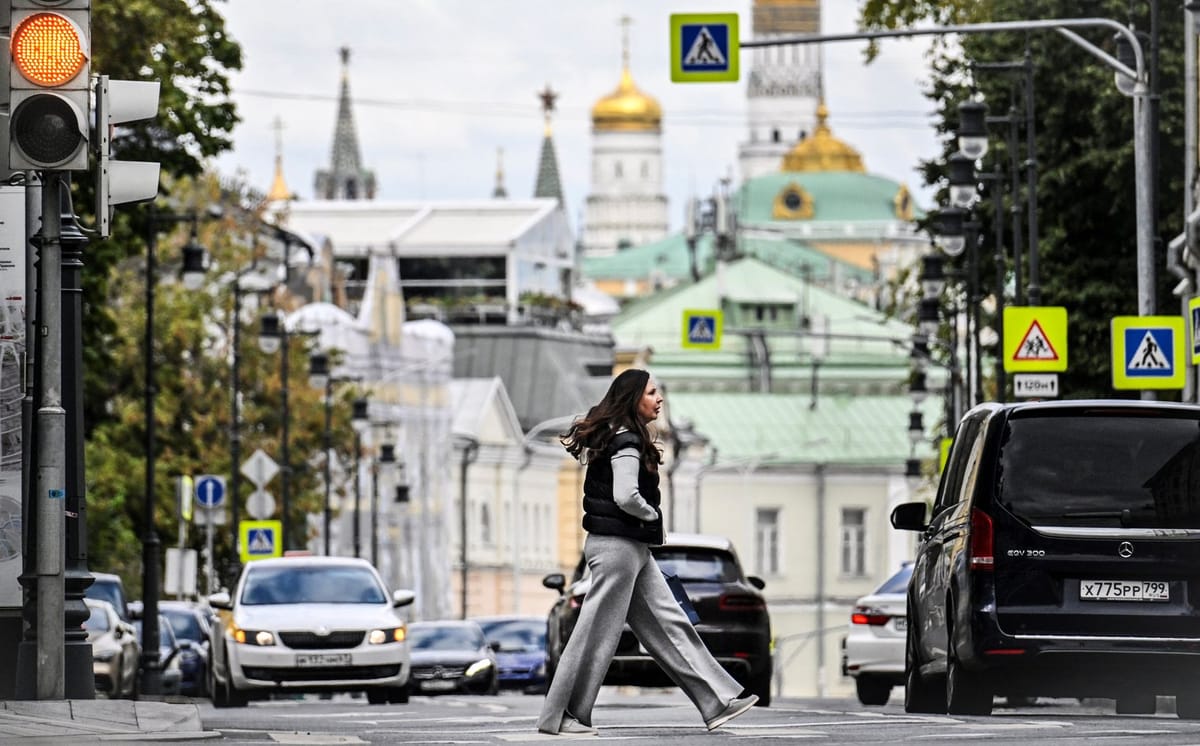
 James Battershill
🎧 End Times with Renata Salecl: What Post-Socialist Societies Teach Us About Today • In Solidarity
We’ve normalised the idea that the world is ending, that society is tearing itself apart, that our countries — wherever we live — are falling apart. But what does that really look like? What does it feel like? What emerges in the aftermath?
In this episode host Aman Sethi speaks to Renata Salecl, a Slovenian philosopher, sociologist and political theorist to decode how the experiences of post-socialist countries can help us understand the crisis gripping the West.
Foreign reporting is incredibly expensive, and reporting from warzones is even more so. But places like Ukraine are where fearless, independent media is needed the most.
openDemocracy is committed to putting reporters on the ground to help you see through all the misinformation, disinformation and outright propaganda. Support fearless conflict reporting, donate today.

